How do I know which treatment is right for me?
Usually there is a range of options that are all good options, and Alex is explicit that doing no treatment is often one of them. What matters is having someone on your side while you decide. Sometimes that means reassurance that things are fine, sometimes a real explanation of what is wrong.
Request a consultationThe honest answer to this is awkward for a dental website, because it does not end in a treatment.
Most of the time, Alex says, there are a range of different treatment options that are all good options. And there is also the option of doing no treatment a lot of the time.
That second sentence is the one worth noticing. Not mentioned as a courtesy at the end, but listed alongside the others as a real choice. If nobody has put it on the table for you, you have not been shown the full range.
What you actually need is not a recommendation
It is someone you can trust to be on your side and help guide you to make the right decision. Alex's emphasis is on the word throughout, someone who stays on your side during the deciding, rather than someone who decides on your behalf and then defends it.
Two different appointments
He splits the reasons people come in:
Sometimes you just need a little bit of reassurance that things are fine. Sometimes you need a real explanation of what is wrong and what the options are.
Both are legitimate. The first is the one people talk themselves out of, on the grounds that it would be wasting someone's time, and it is the cheaper of the two to act on.
Read it in Alex's own words
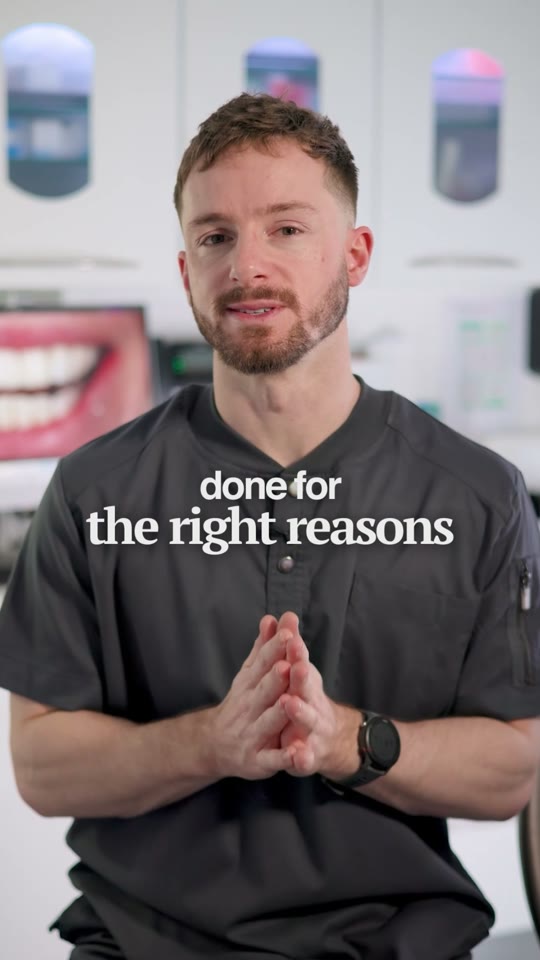
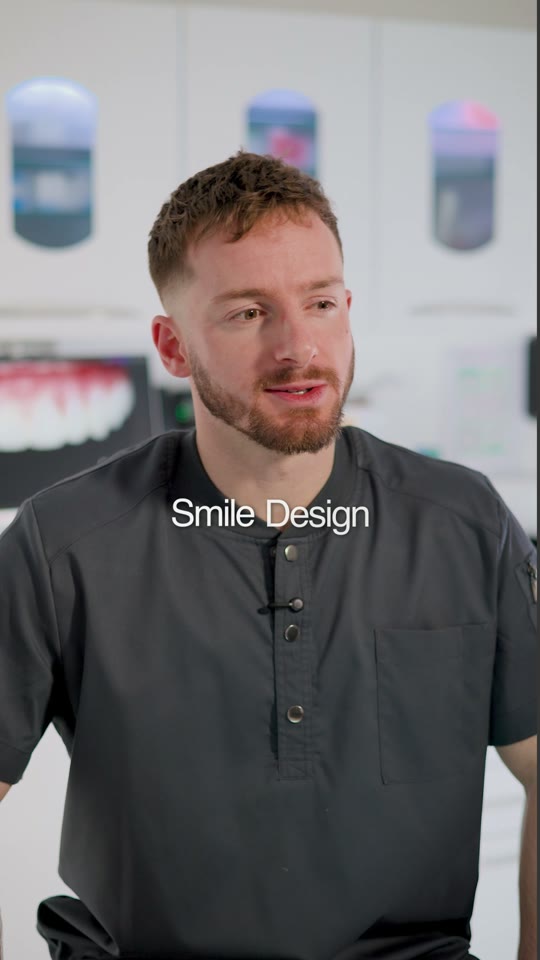
If you're looking for treatment but you're not sure is the right thing for you, you really need someone you can trust to be on your side and help guide you to make the right decision.
Most of the time there are a range of different treatment options that are all good options. There's also the option of doing no treatment a lot of the time. So having somebody who wants to be on your side throughout the decision, that's pretty important.
Sometimes you do just need a little bit of reassurance that things are fine. And sometimes you need a real explanation of what's wrong and what the options are.