Crowns and bridges,
and when not to.
There is a pathway most restored teeth are on, and nobody chooses to step onto it. Knowing where you are on it is what decides the right answer.
Dr Alex Hadley · Essex & Suffolk
The restorative conveyor belt.
A small filling becomes a bigger filling. The tooth breaks and needs a crown. Roughly one in five crowned teeth goes on to crack or need root canal treatment. And the tooth itself gets smaller at every stage. That is the pathway, and the tooth only moves one way along it.
A crown is often exactly the right answer. It holds together a tooth that would otherwise split, and a tooth held together is a tooth you still have. What matters is knowing whether you are early on that pathway or near the end of it, because the answer differs.
A bridge is where I am most cautious, and I would rather say why than sell one. A bridge is carried by the teeth either side, which have to be prepared to hold it. So replacing one missing tooth means cutting into two that were not the problem.
When this is the right answer.
A tooth that keeps breaking
Repeated repairs on the same tooth are the signal, not the solution.
A large old filling
Where there is more filling than tooth, a crown protects what is left rather than waiting for it to split.
A root-treated tooth
These are more brittle and often need covering to survive.
You have been offered a bridge
Worth understanding the trade before agreeing to it. Sometimes it is right. Sometimes an implant leaves the neighbours alone.
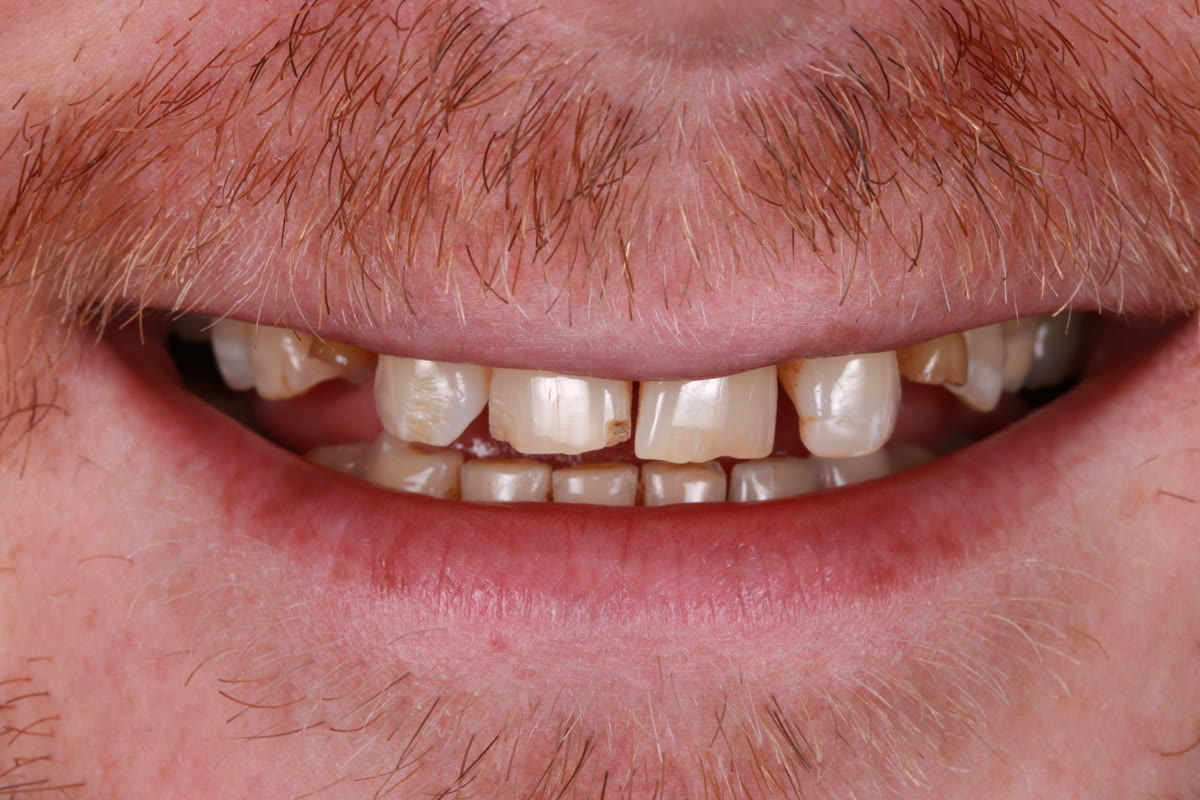
Real patients. Real treatments.
Planned and carried out by Dr Alex Hadley. Drag any slider to see where each one started.
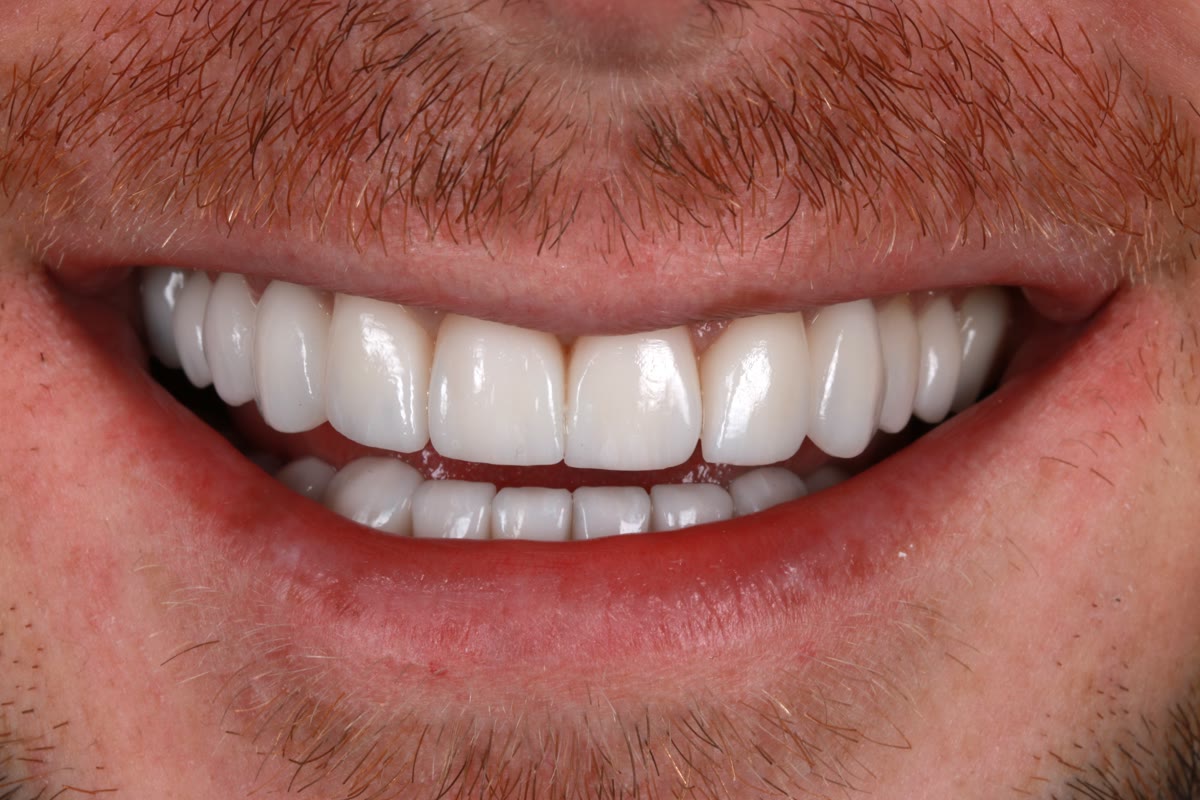
 Before
After
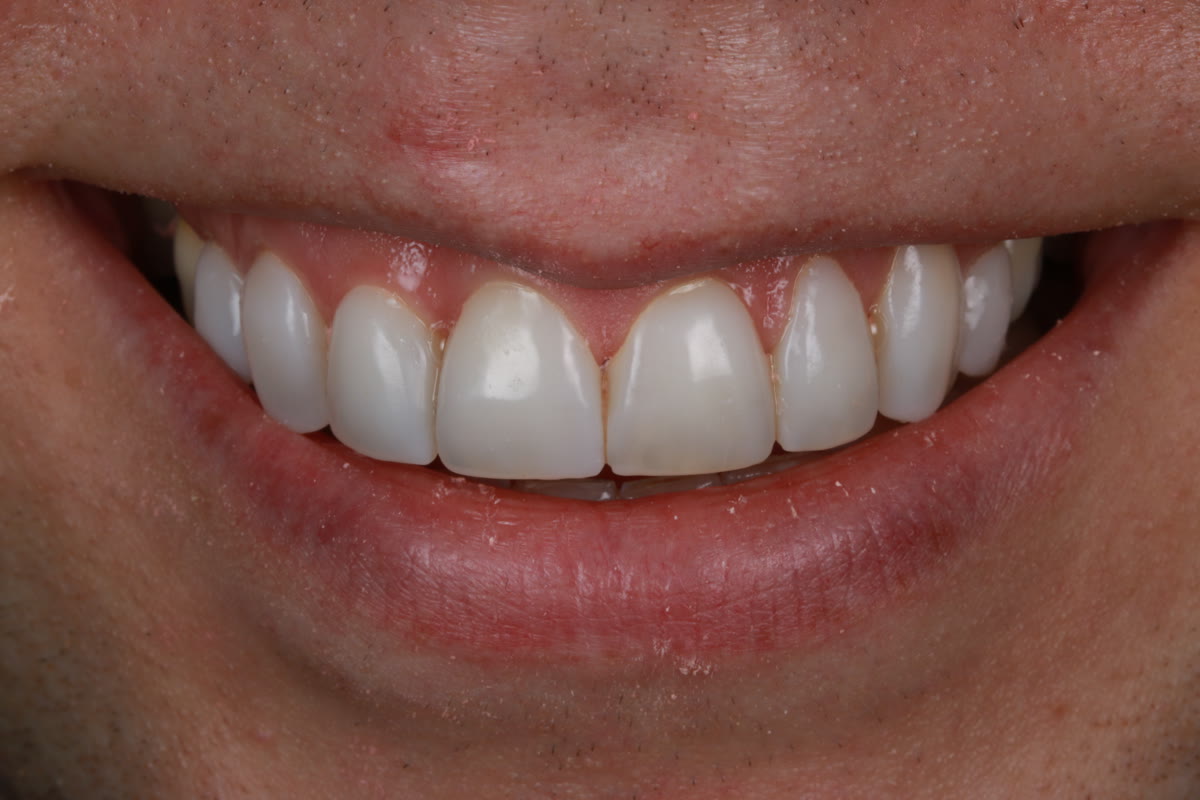
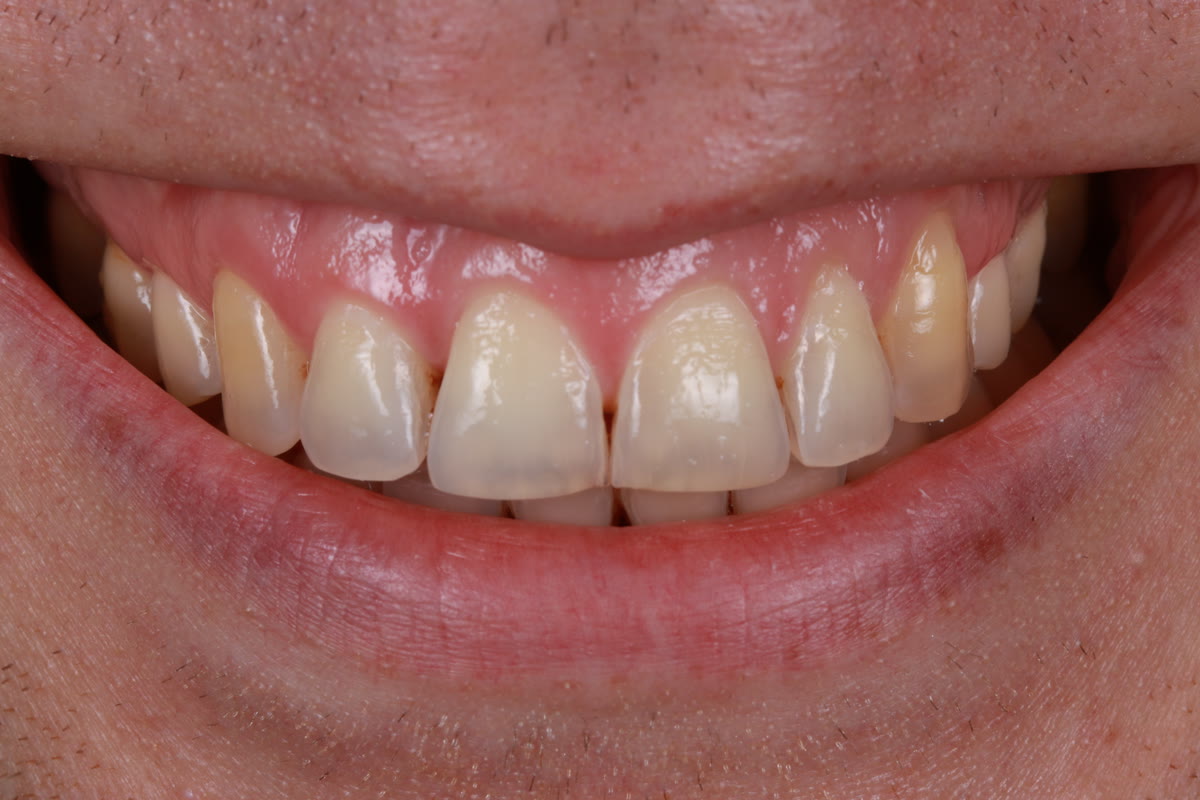 Before
After
Real patients of Dr Alex Hadley. Individual results vary, and every case is planned around the patient in front of us.
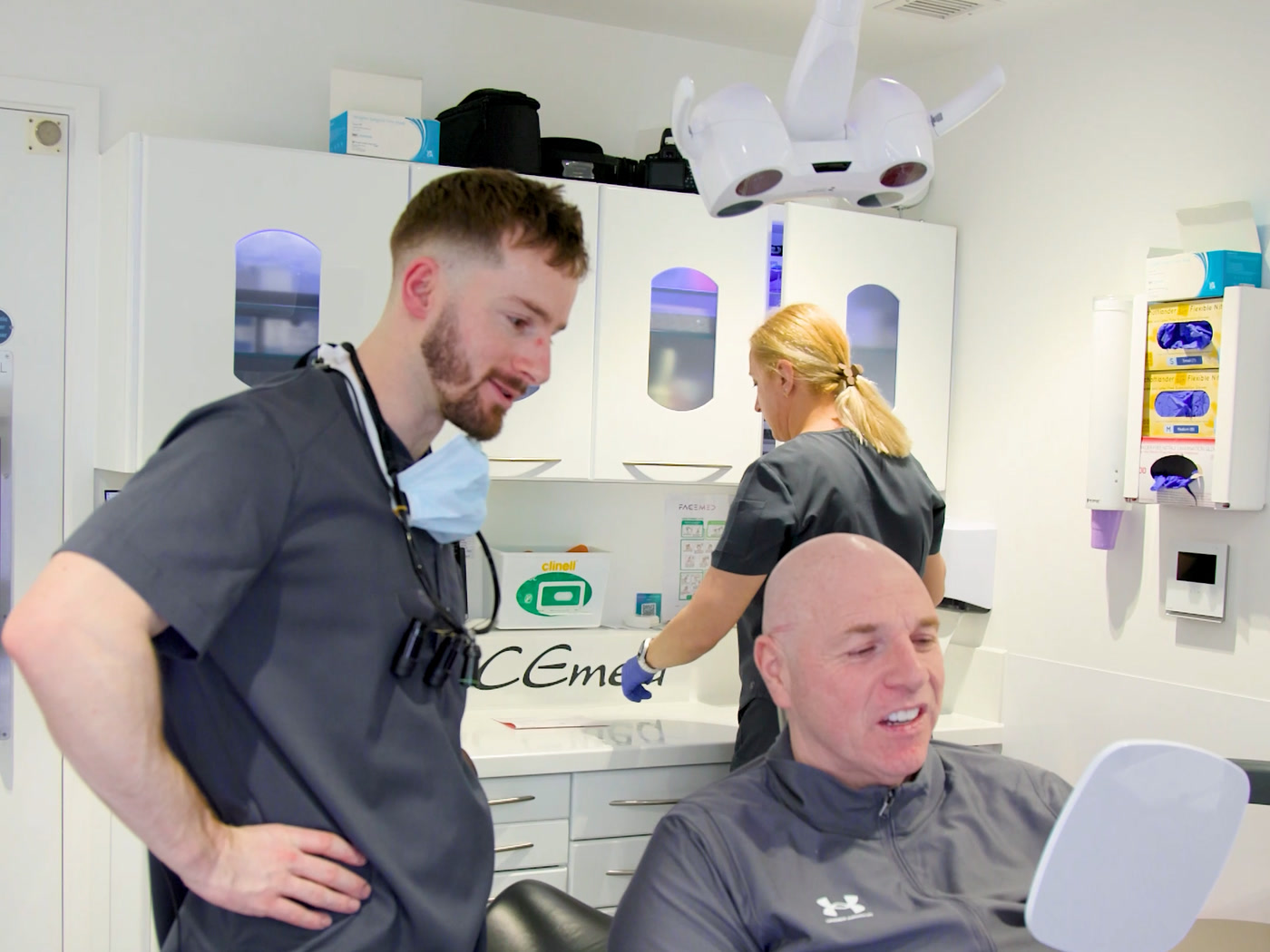
What actually happens.
Working out where the tooth is
Whether it is restorable, and whether repairing again is the best use of what is left.
The options, including doing less
Crown, bridge, implant, or leaving it. What each costs you in tooth structure as well as money.
A scan, not impressions
An intraoral scanner takes the record digitally. No tray, no material, nothing to gag on.
Fitting and checking the bite
Fitted, then checked with the jaw moving rather than just closing, because that is where the force actually goes.
The questions I get asked.
Let's create a smile you'll love long term.
Tell me a little about what's on your mind and we'll arrange a relaxed consultation. No pressure, no obligation, just a conversation.
Request a consultation
We'll be in touch within one working day.